Keep room for the next move
Four puzzles in which spare space, exposed cards and accessible tiles matter more than an immediate match.
The tempting move is often the one that clears something now. The useful move may be the one that leaves enough space to do something afterward.
Free cells, branch capacity, exposed card faces and a sliding gap are four different versions of the same planning resource: access.
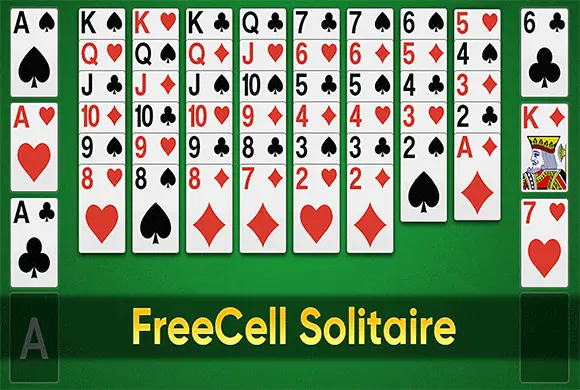
Freecell solitaire
Use temporary cells to uncover cards while preserving enough room to transfer sequences.
Your goal: Move all 52 cards to the four foundations, each built from Ace to King by suit.
Open game ↗
Bird Sort Puzzle
Balance color matching with branch capacity and the need for temporary storage.
Your goal: Group birds of the same color together so the branches no longer contain mixed colors.
Open game ↗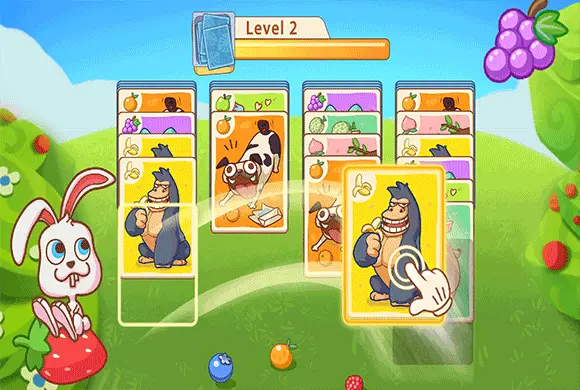
Match Cards
Assemble exposed image triples while choosing which hidden cards to reveal next.
Your goal: Clear the board by grouping three identical picture cards consecutively in a column.
Open game ↗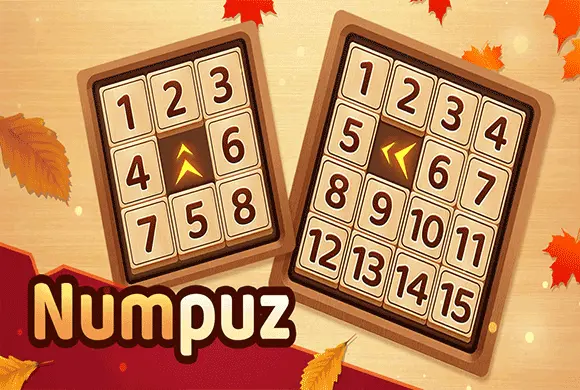
Num puz
Practice treating the location of an empty square as part of the solution.
Your goal: Arrange the numbers in ascending order from left to right and top to bottom.
Open game ↗Storage has a cost
FreeCell gives four temporary cells, but filling them all removes flexibility. Bird Sort Puzzle limits where a bird may land by both color and capacity. In either game, a legal storage move is better when you already know how the stored piece will get out.
Uncovering can be the real reward
In Match Cards, a triple is valuable partly because it exposes the cards behind it. Num Puz offers no clearing at all: moving a tile changes access by relocating the empty square. Look at the new options each move creates, not just the immediate arrangement.
An empty place can be a tool
In Freecell, filling a temporary cell commits space that may be needed to move another sequence. In Bird Sort Puzzle, a spare branch can hold birds while you uncover a buried color. Before using either, identify how you intend to empty it again. Num puz makes this idea explicit: the empty square itself must travel to the position that permits the next move.