Check the next consequence
A next-move checklist for opponent threats, blocked paths and target counts.
Looking ahead does not always mean calculating a long sequence. Start with one concrete question: what changes immediately after this move?
These four games give you different answers. An opponent can reply, a path can close, or a group of balls can leave the maze before it has grown enough.
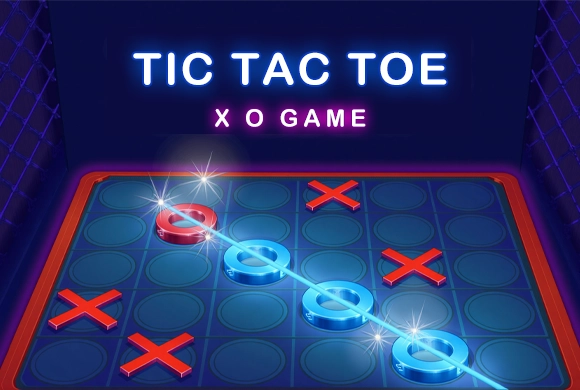
Tic Tac Toe
Use a small classic board to practice checking an immediate threat before pursuing your own line.
Your goal: On the 3-by-3 board, make a horizontal, vertical or diagonal line of three marks before the opponent.
Open game ↗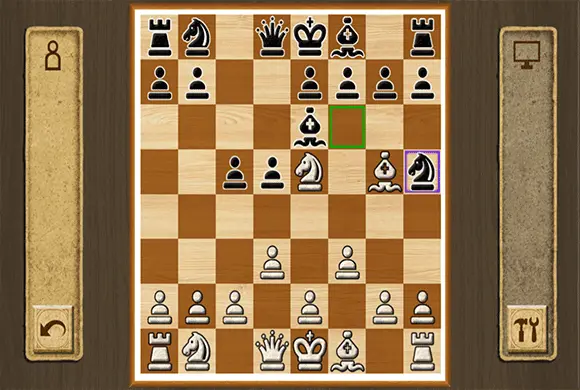
Chess Classic
Extend that check to a legal move, the opponent's reply and the safety of the king.
Your goal: Checkmate the opposing king: attack it in a position with no legal escape.
Open game ↗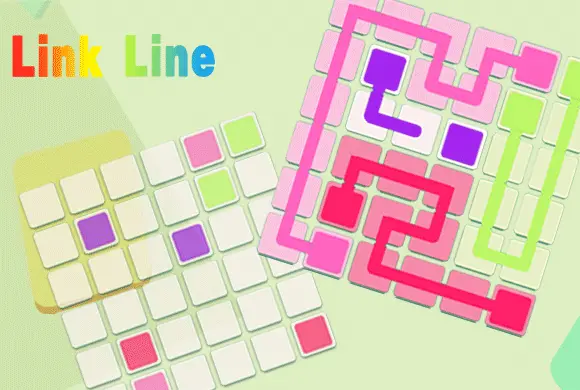
Link Line
Notice how completing one color can block the only remaining corridor for another.
Your goal: Join all matching endpoints with non-crossing paths that fill every square of the grid.
Open game ↗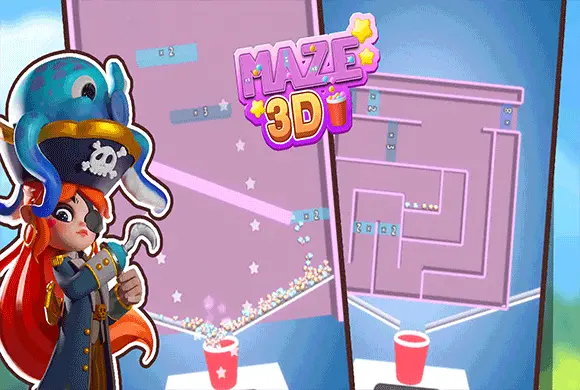
Maze3D
Compare the route to the cup with the number gates needed to reach its target.
Your goal: Deliver at least the required number of balls into the cup below the maze.
Open game ↗When another player gets a turn
On the classic Tic Tac Toe board, first check whether either side can win immediately. Chess Classic expands that habit: a legal move still needs a check for the opponent's threats and captures. Legal is the beginning of the decision, not the end.
When the board itself is the constraint
Link Line has no opponent to block a route for you; a poorly chosen path does it instead. Maze3D adds a numerical consequence: an early exit may deliver too few balls. Before committing, name the route or requirement the move could remove.
Look for the reply before the reward
In Tic Tac Toe, check whether the opponent can complete a line immediately before extending your own. In Chess Classic, inspect the reply to a promising capture and the resulting safety of the king. Link Line has no opposing player, but the equivalent check is whether your new route blocks another color. The shared question is what becomes possible after your move.